Hiring a bed bug exterminator in Scarborough comes down to two treatment methods. Chemical runs $300 to $1,200 a room and takes two to three visits; whole-home heat runs $2,000 to $4,000 or more and clears the home in a single day. Both work when they are done right and prepped for properly, and both fail when the prep is skipped. If you are waking with itchy bites in a line, finding small dark spots along a mattress seam, or seeing tiny reddish-brown bugs near where you sleep, book a free bed bug inspection before it spreads through the building.
What are the signs of bed bugs?
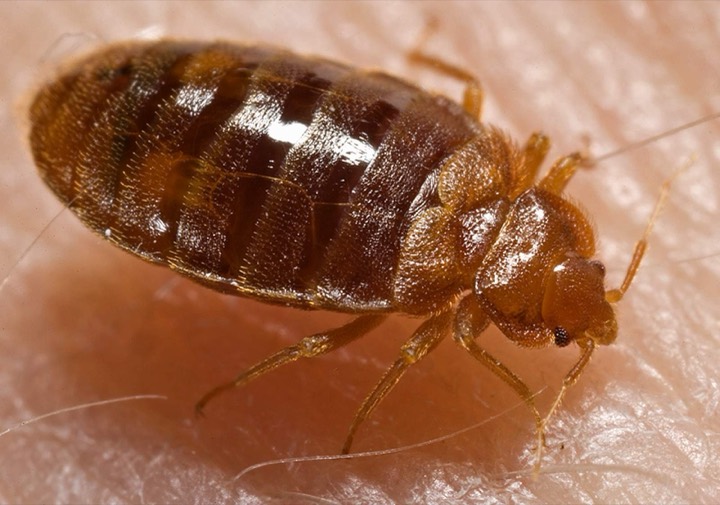
The clearest signs of bed bugs are bites in a line or cluster on skin left bare during sleep, rust-coloured blood smears and dark fecal specks along the mattress seams and box spring, shed skins, and live reddish-brown bugs the size of an apple seed wedged into the seams and headboard.
Work through them in order:
- Bites in a row or cluster on arms, shoulders, neck, and legs, showing up overnight.
- Dark specks and rust spots the size of a period along mattress seams, the box spring frame, and behind the headboard.
- Shed skins and pale, translucent eggs in the seams are the sign that the bugs are breeding, not just visiting.
- A faint sweet, musty smell in a room carrying a heavy infestation.
- Live bugs, flat and reddish-brown, tucked into seams and cracks during the day.
Bed bugs travel unit to unit through the walk-ups and apartment towers along Kingston Road, Eglinton East, and Markham Road, so in those buildings a neighbour's infestation turns up as bites in yours. Bites on their own do not confirm it, since some people never react; the dark spotting on the mattress and box spring is the more dependable tell.

Heat or chemical: which bed bug treatment do you need?
For most single rooms and apartments, chemical is the right call, while heat earns its keep when the infestation has run through a whole home or you cannot afford repeat visits. They solve the same problem in different ways. Chemical uses registered products applied to harbourage over two to three visits spaced roughly two weeks apart, so it catches eggs as they hatch. Heat raises the whole space above the temperature bed bugs and their eggs survive, killing every stage in one treatment, but it needs specialized equipment and careful setup.
| Method | Typical Scarborough range | Visits | Best for |
|---|---|---|---|
| Chemical, per room | $300 to $1,200 | 2 to 3 | single rooms, apartments, budget jobs |
| Whole-home heat | $2,000 to $4,000+ | 1 | whole-home spread, one-day resolution, heavy clutter |
The products we use for chemical work are registered by Health Canada's Pest Management Regulatory Agency, which evaluates each for safety before it can be sold, and we apply them to the label. We give you a firm quote and a straight recommendation after the free inspection. The full cost page lays out every pest.
Chemical is cheaper per room but needs multiple visits; heat costs more up front but clears the whole home in one day. The right choice depends on how far it has spread.
How to tell it is actually bed bugs
Bed bugs give you four signs to work with, and the bug itself is rarely the first one you notice. Look for bites in a line or cluster on skin left exposed while you sleep, usually arms, shoulders, neck, and legs. Check the mattress seams, the box spring, and the headboard for small dark spots the size of a period, which is bed bug waste, and for tiny pale eggs and shed skins. In a heavier infestation you may catch a faint sweet, musty smell. The bugs themselves are flat, reddish-brown, and about the size of an apple seed, tucked into seams, cracks, and behind baseboards during the day.
Bites on their own do not confirm it, since people react differently and some do not react at all. The dark spotting on the mattress and box spring is the more dependable sign. If you are not sure, that is what the free inspection is for. We would rather confirm it is not bed bugs than sell you a treatment you do not need.
How bed bugs spread and where they come from
Bed bugs are hitchhikers, plain and simple. They travel on luggage, secondhand furniture, mattresses, and clothing, and inside an apartment building they move between units through wall voids, outlets, and baseboards. They have nothing to do with how clean a home is. A spotless condo gets them the same way a cluttered one does, by something or someone carrying them in. Travel is the classic route: a bug is picked up in a hotel or on a plane seat and rides home in a bag.
In a multi-unit building they spread unit to unit, which is why a single-unit treatment can fail when the neighbouring unit is the real source. This is a common pattern in the apartment towers concentrated along Kingston Road, Eglinton East, and Lawrence East in Scarborough, and it is one reason a building-wide problem needs the landlord to coordinate treatment across the affected units.
The prep sheet that actually works
Preparation is not optional with bed bugs. Treat an unprepared room and it can fail no matter how skilled the technician is, because the bugs simply ride it out in the untreated clutter. Here is the prep that matters.
- Launder and heat-dry. Bag all bedding, clothing, and soft items, wash what you can, and run everything through a hot dryer for at least 30 minutes. Heat is what kills them, more than the wash. Keep cleaned items sealed in bags until treatment is done.
- Bag, do not scatter. Seal laundered and infested items in plastic bags before moving them through the home, so you do not carry bugs into clean rooms.
- Declutter, do not move out. Reduce clutter around the bed so we can reach harbourage, but do not haul furniture to another room or the hallway. That spreads the infestation. Do not throw out the mattress unless we tell you to.
- Pull beds and furniture from the walls and strip the bed so seams, the box spring, and the frame are accessible.
- Do not spray store-bought pesticide first. Repellent aerosols scatter bed bugs deeper into walls and adjoining units and make the professional treatment harder.
Do not start sleeping in a different room to escape the bites. Bed bugs follow the sleeper, so moving to the couch spreads them to a new part of the home. Stay in the treated room and let us handle it.
Why bed bug treatment takes more than one visit
Chemical bed bug treatment runs to two or three visits because the eggs survive the first round. Bed bug eggs are glued into cracks and seams and are far more resistant to product than the adults, so a single treatment kills what is active but not what is about to hatch. We return in roughly two weeks to treat the newly hatched bugs before they can breed, and again if activity remains. Stopping after one visit is the single most common reason a treatment fails. Whole-home heat is the exception, because a proper heat treatment kills every stage, including eggs, in one day, which is part of what you pay the higher price for.
If you rent, who pays for bed bug treatment?
If you rent in Ontario, bed bug treatment falls to the landlord. The Residential Tenancies Act requires landlords to keep the unit in a good state of repair and fit to live in, and a bed bug infestation fails that standard, so the landlord must arrange and pay for professional treatment. Report it to your landlord in writing and keep a dated copy. If the landlord refuses or drags their feet, you can apply to the Landlord and Tenant Board, which handles maintenance and pest disputes and can order the landlord to act. Our page on who pays for pest control in an Ontario rental walks through the steps.
We tell tenants the truth: in almost every case this is the landlord's bill, not yours, and it is worth putting the request in writing.
Common questions
How much does bed bug treatment cost in Scarborough?
Chemical treatment runs $300 to $1,200 a room across two to three visits. Whole-home heat runs $2,000 to $4,000 or more for a single-day treatment. The right method and a firm price come after a free inspection.
Is heat treatment better than chemical for bed bugs?
Neither is simply better. Heat clears a whole home in one day and kills eggs, which suits a widespread infestation. Chemical costs less per room and suits a single room or apartment, though it needs two to three visits. We recommend based on how far it has spread.
How do I know if I have bed bugs?
Check the mattress seams, box spring, and headboard for small dark spots, shed skins, and tiny pale eggs, and look for bites in a line on skin exposed during sleep. The dark spotting is the most dependable sign, since not everyone reacts to the bites.
How long does it take to get rid of bed bugs?
Chemical treatment usually runs two to three visits across four to six weeks, with a clear drop after the first visit. Whole-home heat resolves in a single day. Good prep shortens both.
Do I have to throw out my mattress?
Usually not. A mattress can be treated and kept with an encasement. If an item genuinely is too far gone, we tell you honestly rather than push you to replace things you do not need to.
Are bed bug treatments safe for kids and pets?
Chemical products are registered by Health Canada's PMRA, which reviews risk to children and pets before approval, and we apply them to the label with any re-entry time you need to stay off the treated area. Heat treatment uses no chemicals at all. Tell us about kids, pets, or a pregnancy when you book.
Can I just treat it myself?
Bed bugs are among the hardest pests to clear without professional equipment, because store products do not reach the eggs in cracks and seams, and repellent sprays only scatter them. A very early, single-room catch is sometimes manageable with rigorous laundering and encasements, but most cases need a pro. Our do-I-need-an-exterminator guide is honest about the line.
Does the guarantee cover bed bugs?
Yes. If bed bugs are still active within two months of the completed treatment, we come back once at no charge.
What are the first signs of bed bugs?
The first signs are usually small itchy bites in a line or cluster on skin exposed during sleep, along with tiny dark fecal specks or rust-coloured spots on the mattress seams and box spring. Live apple-seed-sized bugs and shed skins in the seams confirm it. The dark spotting is more reliable than the bites, since not everyone reacts to them.
Reviewed August 2026.
Prefer to talk? Call
(289) 806-3934Tell us the pest and your neighbourhood and we give you a price range on the spot. The inspection is free, and there is no charge to ask.
- Published price ranges, no "call for a quote"
- Free inspection, price locked before we start
- Licensed and insured technicians
- Two-month guarantee, one free re-treatment
- Honest advice if you do not need a pro yet
Scarborough & the GTA · Same-day, 24/7 for emergencies
Get a straight quote
Tell us what you are seeing and we come back with a price range and a time. No obligation, no on-site surprise.